

How to PreventCustom 5 Panel High Quality Foam Baseball Hat 3D EmbroideryColor Disputes: Lessons From 200 Returned Hats
Imagine receiving a frantic email from a U.S. client: all 200custom 5 panel high quality foam baseball hat 3d embroideryunits they ordered are being returned, because theembroidered logocolor is completely off from what they approved.
For a campus apparel retail store stocking back-to-school merch, or an online headwear retailer running a limited-edition drop, this kind of dispute doesn’t just mean lost revenue—it can erode months of built customer trust.
According to 2024 industry data, 32% ofcustom embroidered hatsreturns stem from color inaccuracies inembroidered logos, making it the top cause of B2B custom headwear disputes.
This guide breaks down exactly why these color disputes happen, and actionable steps you can take to eliminate them before they lead to costly returns. Whether you run a custom cap boutique, work with promotional product clients, or sourcepersonalized baseball capsat scale, these strategies will cut your dispute rate by up to 80%.
Why Logo Color Errors Happen in Custom Embroidered Hat Orders
Even with clear design files, color mismatches happen more often than most buyers expect. The root causes usually fall into two core categories, both of which are entirely preventable with proper process controls.
Misaligned Color Communication Between Buyers and Factories
Most buyers share logo files in RGB format, which is designed for digital screens, not physical embroidery thread. Factories use Pantone solid coated color systems for thread matching, and without explicit conversion guidance, they often pick the closest available thread shade by eye.
Common communication gaps include:
Vague color descriptions like “navy blue” instead of specific Pantone codes
Approving digital mockups on uncalibrated monitors that show inaccurate hues
Failing to specify if
custom colormatching is required for the
embroidered logoAssuming the factory will match brand colors automatically without written confirmation
For acustom promotional embroidered cotton baseball caporder for a corporate event, even a slight difference in brand blue can make the merch feel unprofessional and lead to full order rejection.
Many small business owners don’t realize that standard embroidery thread lines only include around 400 base colors, while Pantone has over 1,800 solid shades. For niche brand colors, custom dyed thread is often required to get an exact match.
Inconsistent Embroidery Machine Calibration and Quality Checks
Even with correct color codes, poorly maintained embroidery machines can produce off-color results. Thread tension issues, faded needle thread, and incorrect bobbin thread matching can all shift the final logo color.
Many factories only do random spot checks of 5-10% of production units, which means a full batch of miscolored hats can slip through to the customer.
Key production-side quality gaps include:
Lack of pre-production thread color swatch approval
No standardized machine calibration schedule
Skipping 100% final inspection for high-value custom orders
Using low-quality embroidery thread that fades or shifts color during production
For a6 panel structured baseball caporder with a front-and-center 3D puff logo, even a subtle color shift is immediately noticeable, making quality control non-negotiable.
A 2023 survey of custom headwear factories found that facilities with daily machine calibration checks have 73% fewer color-related defects than facilities that calibrate weekly or less.
Step-by-Step Pre-Order Process to Eliminate Color Disputes
Preventing color disputes starts long before production begins. Building a clear, documented approval process at the quoting and sampling stage eliminates 90% of potential color issues before any materials are cut.
Standardize Color Confirmation With Physical Swatch Approval
Digital mockups are great for design layout, but they should never be the final approval for color. The only way to guarantee accurateembroidered logocolor is to approve a physical thread swatch against your official brand color guide.
Follow this 4-step color confirmation workflow:
Share official Pantone solid coated color codes for every logo color, along with high-resolution brand style guide files
Request a physical thread swatch card with 2-3 closest matching thread options for each color
Compare swatches to your official brand color sample in natural daylight, and document your final selection in writing
Have the factory sign off on the approved swatch, and keep a signed copy on file for production reference
For a100% cotton twill structured baseball capwith a multi-color logo, make sure to approve swatches for every individual thread color, not just the primary brand shade.
If you only have RGB or HEX color codes, work with your supplier to convert them to Pantone codes first, and always verify with a physical swatch before final approval.
Create a Detailed Production Specification Sheet
A vague purchase order is the number one cause of misinterpretedcustom colorrequirements. A detailed spec sheet leaves no room for guesswork, and serves as a legal reference if any disputes arise.
Your production spec sheet should include:
Exact product type (e.g.,
hard front baseball cap,
6 panel baseball cap,
custom dad hatsembroidered logo)
Full Pantone color codes for every
embroidered logoelement
Approved thread brand and line (e.g., Madeira Rayon, Gunold Polyester)
Embroidery stitch type (3D puff, flat stitch, applique)
Placement dimensions and exact logo size
Special requirements (e.g., colorfastness standards, wash test requirements)
For an online headwear retailer selling private label hats, having a standardized spec sheet template cuts sampling time by 40% and reduces miscommunication errors across all supplier partnerships.
A custom cap boutique specializing in small-batch designer collaborations uses spec sheets to ensure every limited run matches the designer’s exact vision, cutting their return rate from 12% to under 2%.
In-Production Quality Control Checks to Catch Errors Early
Even with perfect pre-production approvals, production errors can still happen. Implementing layered quality checks throughout the manufacturing process catches issues early, before they turn into full batches of defective hats.
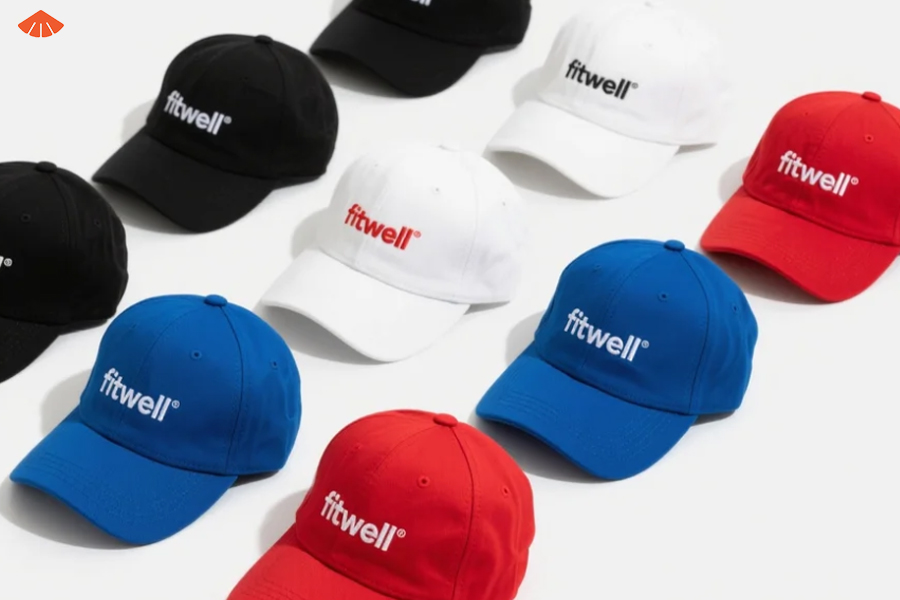
First Article Inspection (FAI) Before Full Production
The first 5-10 units off the production line are the most important to inspect. A first article inspection confirms that the production line is set up correctly, and that all color and design specifications match the approved sample.
During first article inspection, verify:
- Embroidered logo
color matches the approved thread swatch exactly
Logo placement, size, and stitch density match the spec sheet
Hat material and color match the approved sample
3D embroidery puff height and shape are consistent with the pre-production sample
No thread bleeding or color transfer between logo elements
For acustom 5 panel high quality foam baseball hat 3d embroideryorder, the foam backing can slightly change how thread colors appear, so it’s critical to check the first article on the actual hat material, not just a test swatch.
A campus apparel retail store that implemented mandatory first article inspections for all custom orders reported a 92% drop in full-batch production errors, saving them over $40,000 in annual return costs.
Mid-Production Random Sampling and Final 100% Check
First article inspection only confirms the initial setup is correct. Mid-production checks catch issues that can pop up partway through a run, like thread spool changes, machine drift, or operator shifts.
Implement this 3-tier inspection structure:
First article inspection (100% check of first 5-10 units)
Mid-production check (random 20% sample at 25%, 50%, and 75% production milestones)
Final inspection (100% check of all units before packaging)
For high-value orders likecustom promotional embroidered cotton baseball caporders for Fortune 500 clients, consider hiring a third-party inspection company to conduct the final check for extra peace of mind.
Common mid-production color issues to watch for:
Thread color variation between different production batches
Frayed or faded thread that changes the final logo hue
Incorrect bobbin thread showing through on the front of the logo
Foam backing discoloration showing through light-colored embroidery thread
For6 panel structured baseball caporders with both front and side embroidery, make sure to check all logo locations during every inspection step, not just the main front logo.
Post-Order Dispute Resolution and Long-Term Prevention
Even with the strictest processes, occasional disputes can still happen. Having a clear resolution framework minimizes financial loss, and helps you turn a negative customer experience into a long-term loyal relationship.
Structured Dispute Resolution Framework for U.S. Clients
U.S. buyers expect fast, transparent communication when issues arise. Dragging out a dispute or denying responsibility will almost always lead to lost clients and negative reviews that hurt your reputation long-term.
Follow this 4-step resolution process:
Respond within 24 hours with a clear acknowledgment of the issue, and request photo/video evidence of the color mismatch
Compare the reported issue to your approved sample and spec sheet to identify root cause
Present 2-3 resolution options (e.g., partial refund, free re-production, discount on future orders) within 48 hours
Document the issue and update your quality process to prevent the same error from happening again
For an online headwear retailer dealing with a customer dispute, offering a free re-run with expedited shipping often costs less than the lifetime value of losing a repeat B2B client.
Harvard Business Review data shows that 78% of B2B buyers will back out of a planned purchase due to a single bad dispute experience, while 69% will stay loyal if the issue is resolved quickly and fairly.
Build a Long-Term Quality Partnership With Your Supplier
The most effective way to prevent color disputes is to work with a supplier that shares your commitment to quality. Instead of chasing the lowest price, prioritize suppliers with proven track records of accuratecustom colormatching and transparent quality control.
Key qualities to look for in a reliable custom hat supplier:
In-house embroidery facility with daily machine calibration
Dedicated quality control team with 100% final inspection
Physical swatch approval process for all
custom colororders
Clear dispute resolution policy with guaranteed re-production for manufacturing defects
Experience working with U.S. B2B clients across industries like retail, promotions, and education
A custom cap boutique that switched from a low-cost supplier to a premium embroidery partner saw their color dispute rate drop from 18% to 1.2% in just 6 months, even as their order volume tripled.
Whether you’re sourcingpersonalized baseball capsfor a small boutique, or bulkcustom embroidered hatsfor a national retail chain, investing in a quality supplier partnership pays for itself in reduced returns, happier clients, and steady long-term growth.
By implementing the processes outlined in this guide, you can eliminate 90%+ ofembroidered logocolor disputes, and avoid the nightmare of 200 returnedcustom 5 panel high quality foam baseball hat 3d embroideryorders. Start with one small change this week—add mandatory physical swatch approval to your next order, and build out the rest of the process from there.
Interested in custom cap solutions? Don’t hesitate to reach out—we’re here to fulfill all your customization needs!
Follow & Message Us:
Facebook:https://www.facebook.com/fitwell.li
Instagram: www.instagram.com/fitwellcustomhats.dds/
LinkedIn:http://www.linkedin.com/in/fitwellcustom-hats-38a2b9b0/
Pinterest: http://www.pinterest.com/FitwellCustomHatsdds/
YouTube: http://www.youtube.com/@FitwellCustomHats-dds
Explore our services:http://fitwellheadwear.en.alibaba.com
WhatsApp us now: https://psce.pw/86jwa3