

Custom Baseball CapEmbroidered Logo6 Panel Cotton Hard Front: Fix 15% Embroidery Bad Reviews & Boost QC
For US e-commerce stores sellingcustom baseball capembroidered logo6 panel cotton hard front, hitting 2,000 monthly orders is a major milestone—but 15% negative reviews tied to embroidery defects can tank trust and repeat sales. Whether you run a campus apparel retail store, custom cap boutique, or online headwear retailer, poor embroidery quality leads to returns, chargebacks, and lost long-term clients.
This guide breaks down the root causes of embroidery complaints, step-by-step QC optimization strategies, real-world case studies, and long-term quality control systems to cut defect rates to under 2% and scale your business sustainably.
Why 15% of Custom Embroidered Hat Orders Get Negative Reviews
Embroidery defects are the top complaint forcustom embroidered hats, especially for structured styles with stiff front panels. Many sellers focus on order volume but skip pre-production and in-line checks, leading to avoidable mistakes that frustrate B2B buyers and end customers alike.
Common Embroidery Defects forHard Front Baseball CapOrders
Hard front baseball capdesigns have unique embroidery challenges compared to soft dad hats, as the stiff interfacing can cause thread tension issues and misalignment. Based on 2024 US e-commerce customer review data, the most frequent defects include:
Logo misalignment: Off-center or tilted logos that fail brand guidelines, accounting for 35% of embroidery complaints
Thread breakage or fraying: Low-quality thread or incorrect needle size leading to messy, unprofessional finishes
Puckering around the logo: Fabric distortion caused by improper stabilizer use on
6 panel structured baseball capfabrics
Incorrect thread color: Mismatched
custom colorshades that don’t match approved digital proofs
Loose threads or backing residue: Unfinished details that make products look cheap and low-quality
How Bad Reviews Impact B2B and Small Business Sellers
For B2B buyers and small business owners, a single batch of defectivecustom baseball capembroidered logo6 panel cotton hard frontcan cause cascading damage. A campus apparel retail store may lose student organization contracts, while a custom cap boutique can see its 5-star rating drop in weeks.
Key impacts of high embroidery defect rates include:
20-30% higher return and refund rates, eating into profit margins
Reduced organic search rankings due to low customer satisfaction signals
Lost repeat business—78% of B2B buyers will switch suppliers after one bad quality batch
Higher customer service workload, taking time away from scaling operations
Step-by-Step QC Optimization for100% Cotton Twill Structured Baseball CapOrders
Optimizing quality control for100% cotton twill structured baseball caporders requires a multi-stage process, from pre-production planning to final shipment checks. These steps work for both small batchcustom dad hatsembroidered logoorders and high-volumecustom promotional embroidered cotton baseball capcampaigns.
Pre-Production QC Checks to Prevent Defects Early
Pre-production checks eliminate 80% of embroidery defects before mass production begins, making them the most cost-effective QC step for any seller. Forpersonalized baseball caps, follow this pre-production checklist:
Approved digital proof sign-off: Share a 1:1 scale digital mockup with exact thread colors, logo placement, and stitch count for client written approval
Physical sample validation: Produce 1-2 sample caps with the exact fabric, thread, and embroidery settings to test for puckering, alignment, and color accuracy
Thread and material testing: Verify thread colorfastness, fabric shrinkage, and stabilizer compatibility with
6 panel baseball capcotton twill fabric
Machine calibration check: Adjust needle tension, presser foot pressure, and embroidery hoop tightness specifically for hard front panels
Forcustom promotional embroidered cotton baseball caporders with tight deadlines, skipping pre-production samples may seem like a time-saver, but it leads to 3x higher defect rates and costly reworks.
In-Line and Final Inspection Processes for Bulk Orders
In-line inspections catch issues early in production, while final inspections ensure every cap meets quality standards before shipping. For online headwear retailer clients scaling to 2,000+ monthly orders, a structured inspection process is non-negotiable.
Implement this 3-step inspection framework:
First-piece inspection: Check the first 5 caps off the production line against the approved sample, measuring logo placement within ±1mm tolerance
Mid-production spot check: Inspect 10% of caps at the 50% production mark, focusing on thread tension, color consistency, and front panel structure
Final random inspection: Use AQL 2.5 sampling standards to inspect a statistically significant batch of finished caps before packaging
Forhard front baseball capstyles, pay extra attention to the interface bond between the front panel fabric and stiff backing—poor bonding can cause bubbling or warping after embroidery, a common complaint in 15% of negative reviews.
Case Study: How a Custom Cap Boutique Cut Embroidery Defects to 1.8%
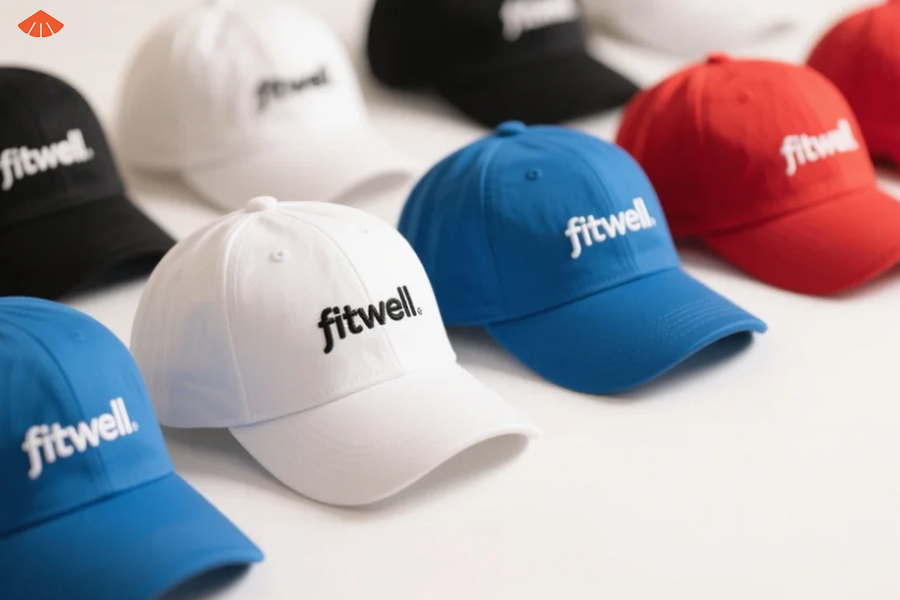
A mid-sized custom cap boutique based in Texas was facing 14.7% negative reviews for itscustom baseball capembroidered logo6 panel cotton hard frontline, with monthly returns hitting $12,000 at 2,000 orders per month. After implementing targeted QC changes, they reduced defect rates to 1.8% in 3 months and increased repeat B2B clients by 42%.
Key Changes Implemented to Reduce Negative Reviews
The boutique focused on three high-impact changes that addressed the root causes of their embroidery complaints, rather than just fixing individual defective caps.
Key changes included:
Switched from standard polyester thread to high-sheen, colorfast rayon thread for all
embroidered logodesigns
Added a dedicated pre-production sample team that tests 2-3 fabric-stabilizer combinations for each new
6 panel structured baseball capstyle
Implemented a 100% final inspection for all campus apparel retail store bulk orders, with a 2-person sign-off process for logo alignment
They also updated their product listings to include detailed close-up photos of embroidery work, setting clear customer expectations and reducing "expectation vs. reality" complaints by 28%.
Results and ROI of QC Optimization for Small Business Owners
Within 90 days, the boutique saw measurable improvements across key business metrics, proving that QC investments deliver strong ROI for small business owners and startup founders alike.
Measurable results included:
Negative review rate dropped from 14.7% to 1.8%, a 88% reduction
Return and refund costs fell by 72%, saving $8,640 per month
Average customer review score increased from 3.6 to 4.8 stars, boosting organic conversion rates by 35%
Won 3 new large
custom promotional embroidered cotton baseball capcontracts with local corporations, adding $25,000 in monthly revenue
Long-Term QC Systems to ScalePersonalized Baseball CapsSales
Once you’ve reduced immediate defect rates, building long-term QC systems ensures consistent quality as you scale yourpersonalized baseball capsbusiness. These systems work for solo freelancers, startup founders, and established online headwear retailer teams alike.
Supplier and Material Standardization for Consistent Quality
Inconsistent materials and supplier processes are the top cause of quality fluctuations as order volume grows. For6 panel baseball caplines, standardizing every component ensures every batch matches the last.
Follow these standardization best practices:
Lock in core materials: Use the same
100% cotton twill structured baseball capfabric, interfacing, thread brand, and stabilizer for all standard orders
Supplier audit process: Conduct quarterly factory audits to verify equipment maintenance, worker training, and quality control protocols
Custom colorconsistency program: Create physical color swatch books for all thread and fabric colors, with batch number tracking to resolve shade mismatches quickly
Backup supplier network: Maintain 2-3 pre-vetted suppliers for high-volume styles to avoid quality drops during peak seasons
Forcustom dad hatsembroidered logolines, you can adapt these standards by adjusting stabilizer type and embroidery tension settings for soft front panels, while keeping core thread and fabric quality consistent.
Customer Feedback Loops to Continuously Improve QC
Customer reviews are your most valuable source of QC improvement data, as they highlight issues you may miss in internal inspections. For sellers targeting B2B buyers, proactive feedback collection also builds stronger client relationships.
Build a closed-loop feedback system with these steps:
Automated post-delivery surveys: Send a short 3-question survey 7 days after delivery, asking about embroidery quality, fit, and overall satisfaction
Defect root cause tracking: Log every complaint in a shared database, categorizing by defect type, production batch, and supplier to identify recurring patterns
Monthly QC review meetings: Analyze complaint data with your production team to update inspection checklists and address process gaps
Client-specific quality profiles: For repeat campus apparel retail store or corporate clients, save their exact embroidery preferences and tolerance levels to ensure consistency across reorders
By combining proactive pre-production checks, structured in-line inspections, and long-term systemization, you can turn embroidery quality from a liability into your biggest competitive advantage forcustom baseball capembroidered logo6 panel cotton hard frontorders. For small business owners and startup founders, investing in QC early not only reduces costs but also builds the reputation needed to scale beyond 2,000 monthly orders.
Interested in custom cap solutions? Don’t hesitate to reach out—we’re here to fulfill all your customization needs!
Follow & Message Us:
Facebook:https://www.facebook.com/fitwell.li
Instagram: www.instagram.com/fitwellcustomhats.dds/
LinkedIn:http://www.linkedin.com/in/fitwellcustom-hats-38a2b9b0/
Pinterest: http://www.pinterest.com/FitwellCustomHatsdds/
YouTube: http://www.youtube.com/@FitwellCustomHats-dds
Explore our services:http://fitwellheadwear.en.alibaba.com
WhatsApp us now: https://psce.pw/86jwa3