

How to Build a Reorder Plan for Custom Beanie Customers
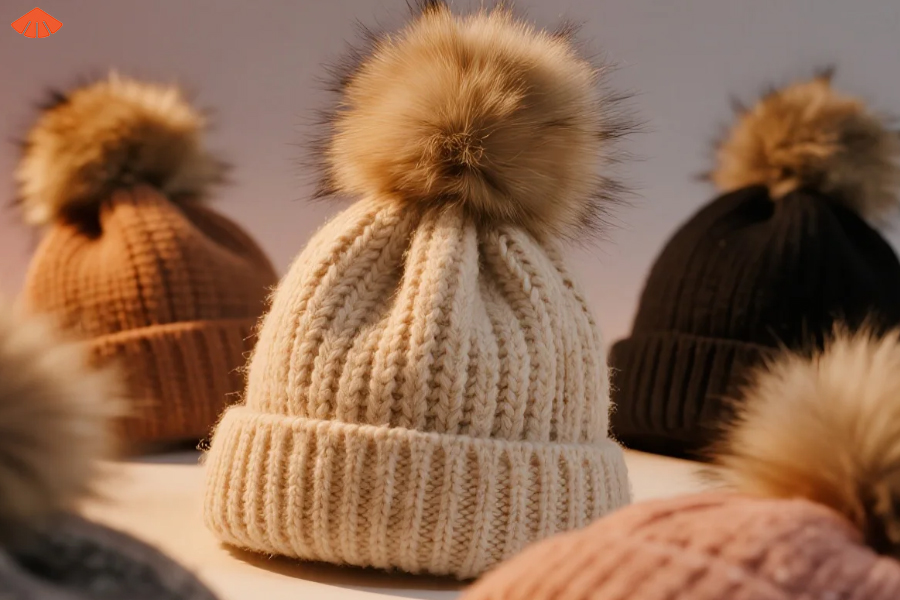
Finding the right custom beanie customers is important, but keeping them is even more valuable. Schools, corporate buyers, outdoor clubs, clothing brands, coffee shops, bands, and local lifestyle businesses may all reorder if the first experience is smooth and the product fits their audience. For a supplier selling a cozythickcableknitcuffedfauxfurpompombeaniehat, a good reorder plan can turn one small winter order into a long-term seasonal customer.
1. Start the Reorder Plan Before the First Order Ships
A reorder strategy should not begin after the customer runs out of stock. It should begin during the first order. When the buyer approves the sample, the supplier should already record the approved colors, logo method, label details, packaging, quantity, delivery date, and customer purpose.
What to record for future reorders
Approved product photos and sample notes.
Yarn color, knit pattern, cuff size, and logo placement.
Label, patch, embroidery, or hangtag details.
Packaging method, barcode labels, and carton requirements.
Customer launch date, event date, or selling season.
When these details are saved clearly, the next order becomes easier, faster, and more consistent. This also builds customer trust because the buyer does not need to explain everything again.
2. Set Follow-Up Timing Based on Customer Type
Different customers need different reorder timing. A school may plan winter spirit wear months before the cold season. A corporate buyer may prepare holiday gifts in advance. A clothing brand may reorder after checking sell-through from a limited drop.
Useful follow-up timing
Schools: follow up before winter sports, fundraising, or campus store planning.
Corporate buyers: follow up before holiday gift planning and annual events.
Outdoor clubs: follow up before ski trips, hiking seasons, or winter group activities.
Clothing brands: follow up after launch data, restock requests, or new collection planning.
Coffee shops and bands: follow up before winter retail displays, tours, or seasonal merch drops.
The best follow-up is not random. It should arrive when the customer is already thinking about the next sales season or event.
3. Use Reorder Triggers Instead of Generic Messages
A generic message such as “Do you need more beanies?” is easy to ignore. A better follow-up reminds the customer why reordering makes sense and connects the message to their actual business.
Examples of stronger reorder triggers
“Your last winter fundraiser sold 100 pcs. Would you like to prepare a new color before the next season?”
“Your employee gift order used navy beanies last year. We can prepare a similar option with updated packaging.”
“Your outdoor club trip is coming up again. Would members want a new patch version this year?”
“Your black beanie sold faster than the cream color. We can restock the stronger color first.”
These messages show that the supplier remembers the customer’s needs. They also make the reorder feel practical instead of pushy.
4. Suggest Small Product Improvements for the Next Batch
A reorder does not always need to be exactly the same. Some customers want consistency, while others want a small update to keep the product fresh. The supplier can recommend simple changes based on the customer type and previous feedback.
Low-risk update ideas
Add a new neutral color while keeping the best-selling color.
Change the woven label color without changing the beanie structure.
Offer a limited patch design for a special event.
Upgrade packaging for corporate gifts or retail shelves.
Create a matching scarf, glove, or cold-weather accessory if demand is strong.
For a cozythickcableknitcuffedfauxfurpompombeaniehat, small improvements such as better label contrast, softer hand feel, cleaner pom pom shape, or stronger packaging can increase repeat customer satisfaction without making the reorder too risky.
5. Help Customers Choose the Right Reorder Quantity
Reorder quantity should be based on real results. If the customer started with 50 pcs and sold out quickly, 100 pcs may be the next safe step. If 100 pcs sold steadily and there are repeat requests, 200 pcs may be reasonable. If the customer has wholesale demand, school-wide distribution, or corporate gift planning, 500 pcs may become realistic.
Simple reorder quantity guide
50 pcs: good for testing a new color or new customer group.
100 pcs: safe for a repeat small brand or local merchandise restock.
200 pcs: suitable when sales data or event demand is clear.
500 pcs: best for proven customers with organized distribution.
Suppliers should avoid pushing a customer into a quantity that does not match demand. A sustainable reorder is better than one oversized order that creates stress and leftover inventory.
6. Keep the Customer File Ready for Fast Reordering
Repeat customers usually appreciate speed and accuracy. If the supplier can quickly provide previous artwork, mockups, price references, production notes, and updated lead times, the buyer is more likely to reorder without searching for another vendor.
For a cozythickcableknitcuffedfauxfurpompombeaniehat, keeping a clean reorder file is especially useful because details such as knit texture, cuff height, label placement, pom pom size, and packaging can affect the final product. A saved file protects consistency and makes the supplier easier to work with.
Final Reorder Planning Checklist
Save all approved sample, color, logo, label, and packaging details.
Follow up based on the customer’s school year, event calendar, season, or sales cycle.
Use specific reorder triggers instead of generic sales messages.
Suggest small product improvements without changing too much at once.
Recommend reorder quantities based on real sales, not guesswork.
Keep customer files ready so repeat orders are faster and more consistent.
Interested in custom cap solutions? Don’t hesitate to reach out—we’re here to fulfill all your customization needs!
Follow & Message Us:
Facebook: http://www.facebook.com/profile.php?id=61573975045970
Instagram: www.instagram.com/fitwellcustomhats.dds/
LinkedIn:http://www.linkedin.com/in/fitwellcustom-hats-38a2b9b0/
Pinterest: http://www.pinterest.com/FitwellCustomHatsdds/
YouTube: http://www.youtube.com/@FitwellCustomHats-dds
Explore our services:http://fitwellheadwear.en.alibaba.com
WhatsApp us now: https://psce.pw/86jwa3