

Custom 5Panel High Quality Cotton Trucker Hat Embroidered: 3 Ways to Fix Australia Channel Conflict
If you sellcustom 5panel high quality cotton trucker hat embroideredproducts in Australia, you’ve likely faced a frustrating problem: identical styles priced differently online and in-store, leading to customer complaints and retailer disputes.
For B2B suppliers, startup founders, and small business owners in the headwear space, channel conflict can erode trust fast. It doesn’t just hurt short-term sales—it risks long-term partnerships with stockists and loyal wholesale clients.
This guide breaks down why price gaps happen, how they hurt your brand, and three actionable strategies to align your online and offline sales channels without sacrificing profit.
Why Channel Conflict Plagues Custom Trucker Hat Brands in Australia
The Root of Online-Offline Price Gaps for Headwear
The first step to solving the problem is understanding why price mismatches happen in the first place. For brands sellingcustom embroidered trucker hatlines, the gaps usually stem from three core factors.
First, operational costs differ drastically between channels. Physical retailers pay rent, staff wages, and in-store display fees—costs that online DTC stores avoid.
Second, wholesale pricing structures often leave room for retailers to set their own markups. A surf shop in Bondi might price acurved visor 5 panel washed cotton trucker cap20% higher than your website’s direct-to-consumer rate.
Third, promotional strategies rarely align. You might run a 15% off sitewide sale for Black Friday, but your retail partners aren’t matching the discount. Customers notice, and they complain.
Common causes of price misalignment:
Inconsistent wholesale discount tiers across retail partners
Unregulated promotional calendars between online and offline channels
Hidden fees (shipping, customization) that make total prices differ
Lack of clear MAP (Minimum Advertised Price) policies
How Price Complaints Hurt Your B2B and DTC Revenue
Many brands brush off price complaints as a minor customer service issue—but the damage goes much deeper, especially for B2B-focused headwear suppliers.
For starters, retail partners lose trust. If a boutique in Melbourne finds your online store undercuts their in-store price on avintage retro 5 panel cotton trucker hat embroideredline, they’ll reduce their order volume or drop your brand entirely.
A 2023 study of Australian retail found that 68% of small boutique stockists will end a supplier relationship within 6 months if consistent channel price conflict occurs.
For your DTC side, price confusion erodes brand value. If customers see the sameembroidered 5 panel hatpriced $15 higher in a physical store, they’ll question your pricing integrity overall.
You also risk losing wholesale clients who cater to specific demographics. For example, a retailer focused onembroidered trucker hat men’s lines might lose customers to your online store if your prices are consistently lower.
Impacts of unaddressed channel conflict:
20-30% drop in wholesale reorder rates (per Australian apparel industry data)
Increased customer service tickets related to price matching
Damage to brand perception among premium buyers
Lost opportunities to expand into new retail locations
Strategy 1: Tiered Product Differentiation Across Channels
Create Exclusive Lines for Online vs. Offline Sales
The most effective way to eliminate price complaints is to stop selling identical products across channels. Instead, build tiered lines that serve different customer needs while keeping your core brand identity intact.
For example, reserve yourhigh density embroidered 5 panel unstructured cotton trucker hatline for premium physical retailers. Position it as an in-store exclusive, with premium packaging and in-person fitting services.
For your online DTC store, focus oncustom 5 panel hatlines with faster turnaround and more personalization options. Highlight custom logo&color choices that customers can design from home, which isn’t feasible for in-store retail stock.
You can also differentiate by fit and size. Offer the standard54-58cmsize range in retail stores, but add extended sizes andcustom unisex trucker hatsizing options exclusively online.
Product differentiation ideas for custom trucker hats:
Offline exclusive: Limited-edition
vintage retro 5 panel cotton trucker hat embroideredwith local Australian designs
Online exclusive:
Curved visor 5 panel washed cotton trucker capwith 48-hour custom turnaround
Shared core line: Same base style, different colorways per channel
Premium in-store only: High-density embroidery, organic cotton, and hand-finished details
How to Communicate Differences Without Confusing Buyers
Differentiation only works if customers understand why prices vary. If shoppers think you’re just charging more for the same product in-store, you’ll still get complaints.
Start with clear labeling on all packaging and product pages. For in-store exclusives, add a “Boutique Exclusive” tag that explains the premium materials or limited production run.
On your website, add a “Where to Buy” page that lists retail partners and notes which5 panel trucker hat customlines are available in-store vs. online.
Train your retail staff to explain the value of in-store purchases. For example, if a customer asks why acustom 5panel high quality cotton trucker hat embroideredis pricier in-store, staff can mention free in-person fitting, immediate pickup, and exclusive colorways.
You can also add a price match guarantee with clear exceptions. State that you’ll match prices on identical products, but exclusives and custom orders are excluded.
Clear communication best practices:
Add a “Channel Exclusives” section to your website’s FAQ
Print value explanations on retail hangtags
Train wholesale partners on key selling points for in-store products
Use consistent branding across channels to avoid customer confusion
Strategy 2: Unified Pricing with Value-Add Per Channel
Implement MAP Policies for Consistent Base Pricing
If you prefer to keep the same products across channels, a Minimum Advertised Price (MAP) policy is non-negotiable. This policy sets a minimum price that all retailers can advertise your products for, eliminating price wars.
For Australian brands, MAP policies are legal as long as they’re clearly communicated and don’t force retailers to set a specific final price. You can set MAP for your corecustom embroidered trucker hatline, then let retailers add value on top.
Start by auditing your current wholesale pricing. Make sure the MAP leaves enough margin for retailers to profit—usually 40-50% markup from wholesale cost.
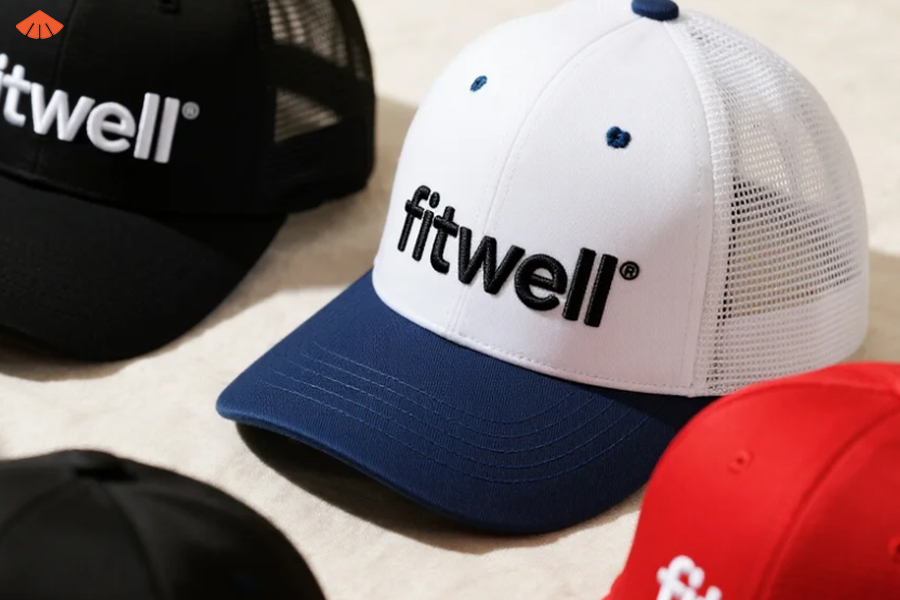
Send formal MAP agreements to all retail partners, and outline consequences for violations. Common consequences include temporary loss of wholesale discounts or termination of the partnership.
MAP policy implementation steps:
Calculate ideal MAP based on wholesale cost and retail margin needs
Draft a clear, legally reviewed policy document
Share the policy with all existing and new retail partners
Monitor prices weekly across online and offline channels
Enforce violations consistently and fairly
Add Channel-Specific Value Instead of Discounting
Instead of lowering prices to match across channels, add unique value to each channel that justifies price differences. This way, customers feel they’re getting a fair deal no matter where they buy.
For in-store shoppers, value can include free in-person customization consultations, same-day pickup, and free size adjustments. For a customer buying acustom unisex trucker hat, being able to try on the54-58cmsize range in person is worth a premium.
For online shoppers, value can include free shipping over a certain order amount, free digital logo proofs, and bulk order discounts. B2B buyers ordering custom logo&color designs for their team will appreciate the convenience of online ordering.
You can also create channel-specific bundles. In stores, offer a hat + custom patch bundle. Online, offer a 3-pack ofembroidered 5 panel hatstyles at a slight discount.
Channel-specific value ideas:
Offline: Free in-store embroidery demos, exclusive local artist collaborations
Online: Bulk order discounts for corporate clients, 30-day free return policy
Both: Loyalty program points that work across all channels
Premium tier: Free personalization for high-density embroidery orders
Strategy 3: Omnichannel Alignment for Long-Term Growth
Build a Collaborative Partnership Model with Retailers
The biggest mistake brands make is treating online and offline channels as competitors. Instead, frame them as partners that support each other.
For example, use your online store to drive foot traffic to retail partners. Add a “Find in Store” button on product pages for styles like thecurved visor 5 panel washed cotton trucker cap, and let customers check stock at nearby boutiques.
In return, ask retail partners to promote your online custom design services. If a customer wants a fullycustom 5 panel hatwith a unique logo, in-store staff can direct them to your website to design it.
You can also run co-branded promotions with top retail partners. For example, partner with a popular surf shop in Brisbane to launch a limitedvintage retro 5 panel cotton trucker hat embroideredcollection, sold both in-store and online with shared marketing.
Collaborative partnership tactics:
Offer retail partners a commission for online orders they refer
Feature top stockists on your website’s homepage
Co-host in-store events with retail partners to drive traffic
Share customer data (with consent) to improve local marketing
Measure Success with the Right KPIs
To make sure your channel conflict strategy is working, you need to track the right metrics. Don’t just look at total sales—track metrics that reflect channel health and partnership strength.
First, track price complaint volume. Aim for a 50% drop in customer service tickets related to price mismatches within 3 months.
Second, track wholesale reorder rates. If your retail partners are happy, their reorder frequency and order size should increase. A healthy rate is 70% of partners reordering within 90 days.
Third, track cross-channel traffic. If your online store is driving more foot traffic to retail partners, and vice versa, your omnichannel strategy is working.
Finally, track revenue per channel. You should see balanced growth across both online and offline sales, not one channel growing at the expense of the other.
Key KPIs to track for channel alignment:
Price complaint rate (target: <2% of total customer inquiries)
Wholesale partner retention rate (target: >85% annually)
Cross-channel referral traffic (target: 15% of total traffic)
Average order value for online vs. offline channels
Return rate per channel (to identify product fit issues)
For brands sellingcustom 5panel high quality cotton trucker hat embroideredproducts in Australia, channel conflict doesn’t have to be a permanent headache. By differentiating products, setting clear pricing policies, and building collaborative omnichannel strategies, you can turn price complaints into opportunities for growth.
Start small—pick one strategy to test this quarter, whether it’s launching an in-store exclusive line or rolling out a MAP policy. Over time, you’ll build a resilient multi-channel business that serves both B2B partners and DTC customers effectively.
Whether you’re a startup founder launching your first5 panel trucker hat women’s line, a small business owner expanding into retail, or a B2B supplier scaling yourembroidered trucker hat men’s collection, these strategies will help you build a brand that customers and retailers trust.
Interested in custom cap solutions? Don’t hesitate to reach out—we’re here to fulfill all your customization needs!
Follow & Message Us:
Facebook:https://www.facebook.com/fitwell.li
Instagram: www.instagram.com/fitwellcustomhats.dds/
LinkedIn:http://www.linkedin.com/in/fitwellcustom-hats-38a2b9b0/
Pinterest: http://www.pinterest.com/FitwellCustomHatsdds/
YouTube: http://www.youtube.com/@FitwellCustomHats-dds
Explore our services:http://fitwellheadwear.en.alibaba.com
WhatsApp us now: https://psce.pw/86jwa3