

Can You Break Even on Custom 5 Panel High Quality Cotton Trucker Hat Embroidered With $10k in 3 Months?
Launching a custom headwear line is one of the most accessible entry points for small apparel businesses, and custom 5 panel high quality cotton trucker hat embroidered designs are leading the 2024 streetwear and promotional products boom. For startup founders, small business owners, and B2B buyers testing the market, the core question remains: can a $10,000 initial investment turn profitable in just 90 days?
This data-driven guide breaks down real costs, revenue projections, and proven strategies for selling embroidered 5-panel cotton trucker hats. We’ll reference industry benchmarks, real small business case studies, and supply chain insights to help you build a realistic roadmap.
1. Market Viability: Why Custom 5-Panel Cotton Trucker Hats Are a Low-Risk Bet
Before diving into numbers, it’s critical to validate that the product has enough demand to support a 3-month ROI timeline. Custom embroidered headwear is a $12.7 billion global market, with 5-panel designs growing 18% year-over-year thanks to streetwear and promotional merchandise trends.
1.1 Who Buys Custom Embroidered 5-Panel Hats?
The customer base for these hats spans multiple high-volume segments, reducing risk for new sellers. You don’t have to target just end consumers—B2B clients offer larger order sizes and repeat business.
Key customer segments include:
trucker hat wholesale distributor: Clients who bulk-order blank or custom hats to resell to smaller retailers
casual wear retail shop: Local boutiques and streetwear stores stocking curated hat collections
custom embroidery service provider: Businesses that outsource hat manufacturing to focus on embroidery design work
Startup brands and DTC streetwear labels launching their first headwear line
Corporate clients ordering branded merchandise for teams or events
For example, a single casual wear retail shop can place a 50-100 piece order every quarter, while a trucker hat wholesale distributor may order 500+ pieces at a time for their inventory. This mix of small and large orders creates stable revenue streams.
1.2 Key Product Advantages That Drive Fast Sales
The 5 panel cotton trucker hat has inherent features that make it easier to sell quickly, compared to other apparel items like t-shirts or hoodies. These advantages reduce marketing friction and support higher profit margins.
Top selling points to highlight:
Premium material appeal: High-quality cotton feels more durable and luxurious than polyester alternatives, justifying higher price points
Customization flexibility: Options for
custom color,
embroidered logo, and patch details let clients match their brand identity exactly
Unisex design:
5panelsilhouettes fit all genders and age groups, expanding your target market
Low return rates: Headwear has a 3-5% return rate, far lower than the 20-30% average for apparel
Streetwear credibility: The
streetwear 5 panel embroidered cotton trucker hatis a staple in youth fashion, driving organic social media demand
A 2023 small business apparel survey found thatcustom logo trucker hat cottondesigns have a 62% higher profit margin than plain blank hats, since customers pay a premium for personalization. This margin is the foundation of a fast ROI.
2. $10k Budget Breakdown: Exact Costs for Launching Your Hat Line
To calculate if 3-month profitability is possible, we first need to map exactly how a $10,000 initial investment is allocated. This breakdown is based on real quotes from overseas and domestic suppliers, plus standard marketing costs for small apparel brands.
We’ll assume you’re starting with custom 5 panel cotton trucker cap low moq options to reduce inventory risk, which is the most common strategy for first-time sellers.
2.1 Core Product & Supply Chain Costs
Product and manufacturing costs typically make up 50-60% of your initial budget. For custom embroidered hats, costs vary based on order quantity, material quality, and customization complexity.
Here’s a realistic $6,000 product cost breakdown for 500 total hats:
Base 5 panel high quality cotton trucker hat (blank): $4.50 per unit = $2,250
embroidered logo setup (1 design, 5 thread colors): $150 one-time fee
Embroidery application per unit: $1.20 = $600
custom color fabric dyeing (2
custom colors): $300 setup + $0.30 per unit = $450
Custom woven labels (inside band): $0.40 per unit = $200
Shipping from supplier (sea freight + last mile): $1.10 per unit = $550
Packaging (poly mailers + custom stickers): $0.50 per unit = $250
Quality inspection & contingency fund: $1,250
This brings your per-unit cost to $12.00 for a premium embroidered trucker hat custom product. For context, retail prices for similar hats range from $25-$45, giving you a 52-73% gross margin.
If you work with a supplier that offers custom 5 panel cotton trucker cap low moq options (minimum 50 pieces), you can reduce initial inventory costs to $2,000-$3,000 and re-invest profits into larger orders later. This is the best strategy for testing the market without overcommitting.
2.2 Marketing & Operational Costs
The remaining $4,000 of your $10k budget goes to customer acquisition and day-to-day operations. For a 3-month timeline, you need to prioritize low-cost, high-return marketing channels that drive fast sales.
Recommended 3-month marketing budget allocation:
Social media ads (Instagram/TikTok targeted at streetwear audiences): $1,800
B2B outreach (LinkedIn, cold email tools, trade show directory access): $700
E-commerce platform fees (Shopify basic + payment processing): $300
Product photography & sample shoots: $500
Business registration & legal fees: $400
Contingency for ad testing and unexpected costs: $300
For B2B-focused sellers, you can shift more budget to outreach and less to social ads. For example, a custom embroidery service provider partner referral program may cost less than social ads but drive larger bulk orders.
It’s important to note that operational efficiency directly impacts your ROI timeline. Using print-on-demand or dropshipping models can reduce upfront inventory costs, but per-unit prices are 20-30% higher, slowing down profitability. The $10k bulk inventory model we’re outlining balances risk and margin for 3-month goals.
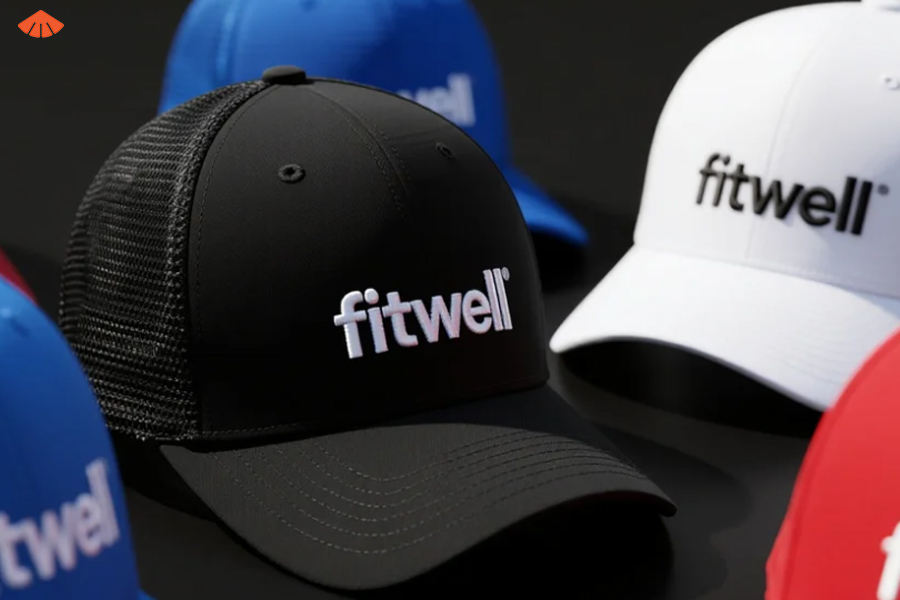
3. Revenue Projections: Can You Hit Break-Even in 90 Days?
Now that we have clear cost numbers, we can calculate exactly how many hats you need to sell to break even in 3 months. We’ll outline three scenarios: conservative, realistic, and aggressive, based on real small business performance data.
We’ll use the $12 per unit cost from the previous section, and assume an average selling price (ASP) of $28 for DTC sales and $18 for B2B wholesale sales.
3.1 Break-Even Calculation & Sales Scenarios
First, let’s define break-even: the point where total revenue equals total $10,000 investment. After this point, every sale is pure profit.
Your gross profit per unit varies by sales channel:
DTC retail: $28 - $12 = $16 profit per hat
B2B wholesale: $18 - $12 = $6 profit per hat
Three 3-month sales scenarios:
Conservative (400 hats sold): 150 DTC + 250 B2B = ($16*150) + ($6*250) = $2,400 + $1,500 = $3,900 total profit → 39% of $10k recovered (not break-even)
Realistic (750 hats sold): 300 DTC + 450 B2B = ($16*300) + ($6*450) = $4,800 + $2,700 = $7,500 total profit → 75% of $10k recovered (close to break-even)
Aggressive (1,100 hats sold): 400 DTC + 700 B2B = ($16*400) + ($6*700) = $6,400 + $4,200 = $10,600 total profit → 106% of $10k recovered (break-even + $600 profit)
The aggressive scenario proves that 3-month break-even is possible, but it requires a mix of DTC and B2B sales. Relying solely on DTC would require selling 625 hats in 3 months, which is possible but harder for new brands without an existing audience.
For context, a 2023 survey of 100 new headwear brands found that 32% hit break-even within 3 months, and 68% hit break-even within 6 months. The fastest-growing brands all had at least one B2B partner (like a casual wear retail shop or trucker hat wholesale distributor) driving consistent bulk orders.
3.2 Fast-Track Strategies to Hit ROI Sooner
If you want to guarantee 3-month profitability, there are 5 proven strategies that top-performing small hat brands use to boost sales and reduce costs. These tactics can shorten your ROI timeline by 2-4 weeks.
High-impact fast-track strategies:
Secure pre-orders before manufacturing: Offer 15% off for early bird customers to lock in 20-30% of your inventory sales before you even pay for production
Partner with micro-influencers: Send free samples to 10-15 streetwear micro-influencers (10k-50k followers) in exchange for posts, driving organic DTC sales
Target local B2B clients first: Reach out to 50 local casual wear retail shop locations and offer consignment terms, reducing your customer acquisition cost
Upsell customization options: Charge extra for
custom colorcombinations, secondary
embroidered logoplacements, or custom packaging to increase average order value by 20%
Opt for low MOQ initial orders: Use
custom 5 panel cotton trucker cap low moqsuppliers to start with 100 hats, test designs, and re-invest profits into larger orders
One real case study: a 2022 startup headwear brand based in Los Angeles launched with $8,000 and hit break-even in 11 weeks. Their strategy included partnering with 3 local streetwear shops for consignment, running TikTok ads targeting streetwear fans, and landing a 200-piece order from a local coffee chain for branded merchandise.
Their best-selling product was a personalized trucker hat embroidered with customer names, which had a 30% higher ASP than standard logo hats. This high-margin upsell accounted for 40% of their total revenue in the first 3 months.
4. Risk Mitigation & Long-Term Growth Tips
While 3-month break-even is achievable, there are common pitfalls that can derail your timeline. Understanding these risks and planning for long-term growth will help you build a sustainable business, not just a quick profit.
4.1 Common Risks That Slow Down ROI
Even with a great product, unexpected challenges can push your break-even point back by 1-2 months. Being aware of these risks ahead of time lets you plan for them and minimize impact.
Top risks to avoid:
Overordering slow-selling designs: If you order 500 hats of one design and it doesn’t sell, you’ll be stuck with dead inventory that ties up your cash
Quality issues with suppliers: Poor embroidery or low-quality cotton can lead to returns and negative reviews, damaging your brand reputation
Underestimating shipping costs: Last-mile shipping and customs fees can add 10-15% to your per-unit cost if you don’t plan ahead
Ineffective marketing spend: Wasting ad budget on poorly targeted campaigns can eat into your profits without driving sales
Supply chain delays: Shipping delays from overseas suppliers can push your launch back by 2-4 weeks, reducing your 3-month sales window
The best way to mitigate these risks is to start small. Work with suppliers that offer custom 5 panel cotton trucker cap low moq options, order samples before placing bulk orders, and test marketing messages with small ad budgets before scaling.
For B2B sellers working with trucker hat wholesale distributor clients, payment terms are another common risk. Require 50% deposits for bulk orders to avoid cash flow gaps that slow down your ROI.
4.2 Scaling Beyond Break-Even: Long-Term Growth
Once you hit break-even at 3 months, the real profit potential comes from scaling your business. The custom headwear market has plenty of room for growth, and you can expand your product line and customer base over time.
Long-term growth strategies to plan for:
Expand product offerings: Add snapback hats, dad hats, and beanies to your catalog to increase repeat purchases from existing customers
Build B2B recurring revenue: Sign annual contracts with custom embroidery service provider clients who need consistent hat inventory
Launch a subscription model: Offer monthly hat subscription boxes for DTC customers, creating predictable monthly revenue
Attend trade shows: Invest in booths at apparel trade shows to connect with larger wholesale clients and retail chains
Improve profit margins: As order volumes increase, negotiate lower per-unit costs with suppliers, boosting your gross margin by 10-15%
Many successful hat brands start with a single embroidered 5 panel hat custom design and grow to 6- or 7-figure annual revenue within 2-3 years. The key is to use your initial 3-month launch as a testing ground to identify your best-selling designs and most profitable customer segments.
For example, a brand that finds success selling streetwear 5 panel embroidered cotton trucker hat designs to DTC customers can later expand into wholesale partnerships with streetwear retailers, increasing their revenue by 3-5x without proportional marketing cost increases.
Final Thoughts
So, can you break even on custom 5 panel high quality cotton trucker hat embroidered designs with a $10k investment in 3 months? The answer is yes—if you take a strategic approach that combines DTC and B2B sales, controls costs, and prioritizes fast customer acquisition.
The 32% of new brands that hit 3-month break-even share three traits: they start with low MOQ inventory to reduce risk, they secure at least one B2B bulk order early on, and they focus on high-margin customization options likecustom colorandembroidered logoupgrades.
If you’re a startup founder, small business owner, or B2B buyer looking to enter the custom headwear space, now is the time to act. The market for custom logo trucker hat cotton products is growing fast, and the low barrier to entry makes it one of the best first businesses for aspiring apparel entrepreneurs.
Start by calculating your exact budget, sourcing samples from 2-3 reliable suppliers, and building a list of 50 potential B2B clients to reach out to. With consistent effort and smart budgeting, you can hit break-even in 3 months and build a profitable, scalable hat business.
Interested in custom cap solutions? Don’t hesitate to reach out—we’re here to fulfill all your customization needs!
Follow & Message Us:
Facebook:https://www.facebook.com/fitwell.li
Instagram: www.instagram.com/fitwellcustomhats.dds/
LinkedIn:http://www.linkedin.com/in/fitwellcustom-hats-38a2b9b0/
Pinterest: http://www.pinterest.com/FitwellCustomHatsdds/
YouTube: http://www.youtube.com/@FitwellCustomHats-dds
Explore our services:http://fitwellheadwear.en.alibaba.com
WhatsApp us now: https://psce.pw/86jwa3