

WhyCustom Baseball CapEmbroidered Logo6 Panel Cotton Hard FrontStores Hit 5K Monthly Orders But Only 5% Profit
If you run a custom headwear business, you’ve likely wondered: how can a store selling custom baseball capembroidered logo6 panel cotton hard front styles move 5,000 units a month, yet net just 5% profit? The answer lies almost entirely in the embroidery process, which eats into margins far more than most new business owners anticipate.
For B2B buyers, startup founders, and small business owners, understanding these cost dynamics is the first step to boosting profitability without raising prices so high you lose customers. This guide breaks down exactly where embroidery costs pile up, how they impact different product lines, and actionable steps to protect your bottom line.
How Embroidery Costs Erode Profit Margins for 6 Panel Cotton Hard Front Caps
At first glance, a $15 custom embroidered hat seems like it should deliver strong margins—after all, a blank6 panel baseball capmight only cost $2-$3 wholesale. But embroidery is a labor- and setup-intensive process that adds hidden costs at every step.
The Hidden Cost Structure ofEmbroidered LogoProduction
Embroidery isn’t just “stitching a logo on a hat.” It involves multiple fixed and variable costs that add up quickly, even for high-volume orders.
Digitizing fee: Every custom logo must be converted into a stitch file (digitized) that embroidery machines can read. This one-time fee ranges from $30-$100 per logo, depending on complexity.
Stitch count pricing: Most embroidery shops charge per 1,000 stitches. A simple text logo might be 3,000 stitches, while a detailed graphic with multiple colors can hit 10,000+ stitches.
Thread and backing costs: High-quality polyester thread, cutaway backing, and topping film (for hard front caps) add $0.20-$0.50 per unit.
Machine setup time: Changing thread colors, hooping caps, and aligning designs takes 10-15 minutes per design per run.
For a 100% cotton twill structured baseball cap with a 5,000-stitch logo, total embroidery costs can hit $3-$4 per unit—often more than the cost of the blank cap itself. When you factor in labor, overhead, and shipping, it’s easy to see how margins shrink to single digits.
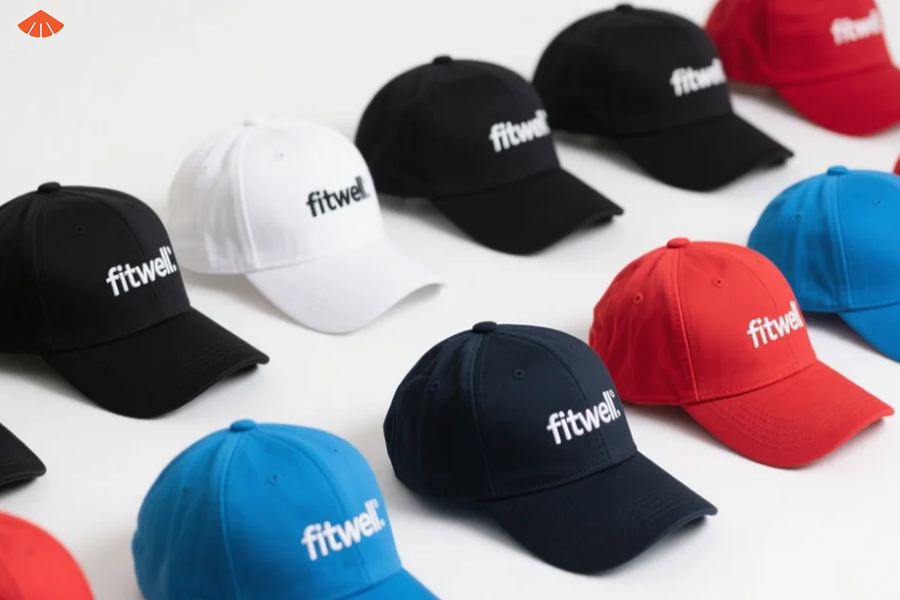
Why High Volume Doesn’t Always Equal High Profit
Many business owners assume that scaling to 5,000 orders a month will automatically boost profits through economies of scale. But forcustom embroidered hats, volume can actually create new cost pressures.
Small batch inefficiencies: If 5,000 orders are split across 200+ different logos, you’re paying 200+ digitizing fees and dealing with constant machine changeovers.
Error rates: Higher production volume leads to more misaligned designs, thread breaks, and damaged caps—each one a total loss of materials and labor.
Labor bottlenecks: Skilled embroidery machine operators are hard to find and retain. Overtime pay during peak seasons can add 20-30% to labor costs.
A 2023 industry report found that custom cap businesses with 5,000+ monthly units average 4.8% net profit, compared to 7.2% for shops doing 1,000-2,000 units with larger average order sizes.
Which Custom Cap Styles Are Most Affected by Embroidery Costs?
Not all custom caps are created equal when it comes to embroidery expenses. The structure, material, and design of the cap directly impact how much time and material the embroidery process requires.
Hard Front vs. Soft Front: Embroidery Cost Differences
A hard front baseball cap requires extra steps during embroidery that soft styles like dad hats don’t.
Stiffer material handling: The rigid buckram backing in hard front caps makes hooping more precise and time-consuming. Operators must align the design perfectly to avoid warping the cap’s shape.
Topping film requirement: To prevent stitches from sinking into the textured cotton twill, hard front caps need a layer of water-soluble topping film, adding $0.15-$0.30 per unit.
Slower machine speed: Embroidering on thick, structured material requires slower machine speeds to reduce thread breaks, cutting production capacity by 15-20%.
By contrast, custom dad hatsembroidered logo styles are faster and cheaper to produce, making them a higher-margin option for many businesses. However, hard front caps remain popular with campus apparel retail store clients who want a more premium, structured look.
Bulk Promotional Orders vs. Small Custom Batches
The type of orders you take has a massive impact on embroidery-related profit loss. Let’s compare two common order types:
Custom promotional embroidered cotton baseball cap bulk orders (200+ units, single logo): These have lower per-unit embroidery costs because digitizing fees are spread across many units, and machine setup only happens once. Per-unit embroidery cost: $1.50-$2.50.
Small batchpersonalized baseball caps (1-24 units, unique logos): These carry high per-unit costs because each order requires separate digitizing, setup, and hooping. Per-unit embroidery cost: $5-$8+.
For a business doing 5,000 units a month split between 70% small batch orders and 30% bulk promotional orders, embroidery costs alone can eat up 35-40% of total revenue. That’s before factoring in blank goods, labor, marketing, and overhead.
Who Is Most Affected by Embroidery Profit Pressures?
Different types of custom cap businesses face unique challenges when it comes to embroidery costs. Understanding your business model’s vulnerabilities is key to fixing them.
Challenges for B2B-Focused Custom Cap Businesses
B2B clients like campus apparel retail store, custom cap boutique, and online headwear retailer partners demand high quality, fast turnaround, and competitive pricing—putting constant pressure on margins.
Campus apparel retail stores: They often order 6 panel structured baseball cap styles with school logos, but expect bulk discounts and free digitizing for repeat orders.
Custom cap boutiques: They require premium finishes,
custom coloroptions, and low minimums, which increase embroidery complexity and cost.
Online headwear retailers: They compete on price and fast shipping, forcing suppliers to absorb rush production fees to meet delivery timelines.
A mid-sized custom cap supplier that works with 12 campus apparel retail store clients reported that embroidery costs accounted for 42% of their total cost of goods sold in 2024, up from 35% in 2022 due to rising labor costs.
Profit Pain Points for Small Business Owners and Startups
Startup founders and small business owners often underestimate embroidery costs when launching their custom headwear brand. Common pain points include:
No volume discounts: New businesses don’t have the order volume to negotiate lower per-stitch rates with embroidery shops.
Lack of expertise: Many new owners don’t know how to optimize logo designs for embroidery, leading to unnecessary stitch counts and higher costs.
Quality control issues: Working with new embroidery vendors often results in high rejection rates, eating into already thin margins.
For freelancers and consultants who sell custom merch as a side income, these costs can be even more devastating—many end up making less than minimum wage once embroidery and fulfillment time are factored in.
Actionable Strategies to Boost Profit Margins on Embroidered Caps
The good news is that you don’t have to accept 5% profit margins. With smart optimizations to your embroidery process, pricing, and product mix, you can push margins to 15-25% even at 5,000 monthly units.
Cost-Saving Optimizations for the Embroidery Process
Small changes to how you handle embroidery can add up to big savings. Start with these high-impact steps:
Standardize logo sizes and stitch counts: Create tiered pricing based on stitch count (e.g., 3,000, 5,000, 7,000 stitches) and encourage clients to choose simpler designs.
Batch similar orders together: Group orders with the same thread colors or cap styles to reduce machine setup time and thread changeovers.
Invest in efficient equipment: For in-house embroidery, upgrade to multi-head machines with automatic thread cutters to reduce labor time by 30-40%.
Negotiate bulk thread pricing: Work directly with thread manufacturers to cut material costs by 15-20%.
You can also offer clients a “value embroidery” option with fewer colors and simpler designs, priced 20% lower than premium detailed logos. This gives budget-conscious clients an option while protecting your margins on more complex work.
Product Mix and Pricing Adjustments to Increase Profit
Beyond optimizing the embroidery process itself, adjusting what you sell and how you price it can have an even bigger impact on your bottom line.
Lead with high-margin styles: Promote custom dad hatsembroidered logo styles as your entry-level product, and position hard front 6 panel caps as a premium upgrade with a 30% higher price point.
Add value-added services: Offer
custom colorunderbrims, woven labels, and custom packaging for an extra $2-$5 per unit—services with 70%+ profit margins.
Implement minimum order quantities (MOQs): Set a 12-unit minimum for custom logo orders to spread digitizing and setup costs across more units.
Bundle products for bulk clients: For
custom promotional embroidered cotton baseball caporders, bundle caps with other merch like tote bags or t-shirts to increase average order value.
A custom cap boutique that implemented these strategies in 2023 saw their net profit margin jump from 4.7% to 18.2% in 12 months, even as their monthly order volume grew from 3,200 to 5,800 units.
Conclusion
If your custom baseball capembroidered logo6 panel cotton hard front business is doing 5,000 orders a month but only netting 5% profit, you’re not alone—and it’s not an unsolvable problem. By understanding exactly how embroidery costs add up, which products and order types are dragging down your margins, and implementing targeted cost-saving and pricing strategies, you can build a profitable, scalable custom headwear business.
The key is to stop treating embroidery as a “necessary cost” and start treating it as a core part of your business that can be optimized for both quality and profitability. Whether you’re a B2B supplier working with campus apparel retail store clients, a custom cap boutique owner, or a startup founder launching your first headwear line, taking control of embroidery costs is the fastest path to higher profits.
Interested in custom cap solutions? Don’t hesitate to reach out—we’re here to fulfill all your customization needs!
Follow & Message Us:
Facebook:https://www.facebook.com/fitwell.li
Instagram: www.instagram.com/fitwellcustomhats.dds/
LinkedIn:http://www.linkedin.com/in/fitwellcustom-hats-38a2b9b0/
Pinterest: http://www.pinterest.com/FitwellCustomHatsdds/
YouTube: http://www.youtube.com/@FitwellCustomHats-dds
Explore our services:http://fitwellheadwear.en.alibaba.com
WhatsApp us now: https://psce.pw/86jwa3