

Custom Baseball CapEmbroidered Logo6 Panel Cotton Hard Front: How to Cut $30k Hidden Embroidery Defect Costs
A US purchasing manager recently placed a 100,000-unit order for custom baseball capembroidered logo6 panel cotton hard front styles, only to discover 15% of the shipment had misaligned, faded, or incorrectly stitched logos. The total loss from reworks, shipping delays, and client compensation hit $30,000—an entirely avoidable hidden cost that plagues 22% of bulk custom headwear orders, per industry data.
For B2B buyers, startup founders, small business owners, and freelance sourcing consultants, this case is a critical warning.Custom embroidered hatsare high-demand promotional and retail products, but embroidery errors can erase profit margins overnight. This guide breaks down why these defects happen, how to calculate their true cost, and actionable steps to eliminate waste for every order.
Why Embroidery Errors Devour Profits on Bulk Custom Cap Orders
Embroidery mistakes are not just minor cosmetic flaws—they trigger a cascade of costs that impact cash flow, client trust, and long-term revenue. For businesses orderingpersonalized baseball capsat scale, even a 5% defect rate can lead to five- or six-figure losses annually.
The True Cost Breakdown of Misaligned or Defective Logos
Most buyers only account for the direct cost of replacing defective caps, but the hidden expenses are often 2-3x higher. For the 100,000-unit custom baseball capembroidered logo6 panel cotton hard front order mentioned earlier, the $30k loss included four key cost categories:
Direct replacement cost: 15,000 defective units at $1.20 per cap = $18,000 in material and labor for re-production
Expedited shipping fees: Air freight for rush replacement stock to meet client deadlines = $6,500
Client compensation & discounts: 10% order discount to retain the retail client = $4,000
Internal labor costs: 20+ hours of sourcing, quality control, and account management time spent resolving the issue = $1,500
For a campus apparel retail store ordering custom caps for back-to-school season, a similar defect rate can lead to lost sales during peak shopping windows. A custom cap boutique may lose repeat clients who rely on consistent quality for their own customer base. Even small business owners ordering 1,000custom promotional embroidered cotton baseball capstyles for a trade show can face reputational damage if handed out flawed products.
Common Embroidery Mistakes That Ruin Hard Front Cap Orders
Hard front and structured cap designs are particularly prone to embroidery errors because their stiff fabric requires precise digitizing and machine setup. The most common defects that impact 6 panel baseball cap orders include:
Misaligned logos: Logos stitched 2-3mm off-center, which is highly visible on the structured front panel of a
hard front baseball capThread color mismatch: Embroidery thread that does not match approved
custom colorswatches, often due to poor color calibration by the supplier
Loose or skipped stitches: Caused by dull needles, incorrect tension settings, or low-quality thread that frays during production
Logo distortion: Designs that stretch or warp when stitched to thick cotton twill fabric, especially on unapproved fabric blends
Backing material show-through: Excess stabilizer visible on the inside of the cap, which reduces perceived quality for end customers
These errors are rarely intentional—they stem from rushed production, skipped quality checks, or suppliers cutting corners on digitizing work. For an online headwear retailer, even a small number of defective caps can lead to negative product reviews and lower search rankings for their e-commerce store.
How to Vet Suppliers to Avoid Embroidery Defects Upfront
The best way to eliminate embroidery defect costs is to partner with a supplier that prioritizes precision and quality control. For buyers sourcing custom baseball capembroidered logo6 panel cotton hard front styles, the vetting process should focus on embroidery-specific capabilities, not just low pricing.
Key Capabilities to Look for in a Custom Cap Manufacturer
Not all custom cap suppliers have the equipment or expertise to produce high-quality embroidered designs at scale. When evaluating potential partners, verify these core capabilities to reduce defect risk:
In-house embroidery digitizing team: Suppliers that outsource digitizing are 3x more likely to produce logo errors, per industry quality benchmarks. Look for a team with 5+ years of experience digitizing for headwear specifically.
Multi-head embroidery machines with laser alignment: Laser-guided alignment systems reduce misalignment errors by 92% compared to manual alignment, making them critical for bulk orders of
6 panel structured baseball capstyles.
Dedicated pre-production sample process: Suppliers that require written sample approval before mass production have 78% lower defect rates than those that skip this step.
Fabric-specific embroidery expertise:
100% cotton twill structured baseball capstyles require different tension settings than softer dad hats. A supplier that understands fabric-specific adjustments will produce more consistent results.
Third-party quality audit options: Suppliers that allow independent audits of their production lines are more transparent about their quality standards.
For a custom cap boutique that specializes in high-end personalized designs, working with a supplier that offerscustom colorthread matching is also critical. This ensures logos match brand guidelines exactly, which is a top priority for boutique clients.
Red Flags That Signal High Embroidery Defect Risk
Many buyers fall into the trap of choosing the lowest-priced supplier, only to pay more in defect costs later. Watch for these warning signs during the vetting process:
Quotes 20%+ below market average: Extremely low pricing often means the supplier cuts corners on thread quality, machine maintenance, or quality control staff.
No physical sample requirement: Suppliers that offer to start mass production based only on a digital logo file are almost guaranteed to produce inconsistent results.
Vague answers about embroidery digitizing: If a supplier cannot explain their digitizing process or provide examples of past embroidered
6 panel baseball capwork, they likely lack expertise.
Short production timelines that skip quality checks: A supplier promising 7-day turnaround for 50,000 embroidered caps is likely cutting critical inspection steps to speed up production.
No defect resolution policy: Reputable suppliers offer clear warranties for embroidery defects, including replacement or refund for faulty units.
For startup founders ordering their first batch ofcustom promotional embroidered cotton baseball capstyles, these red flags are especially important. New business owners often have limited cash flow, making a $3,000-$5,000 defect loss far more impactful than it would be for a larger company.
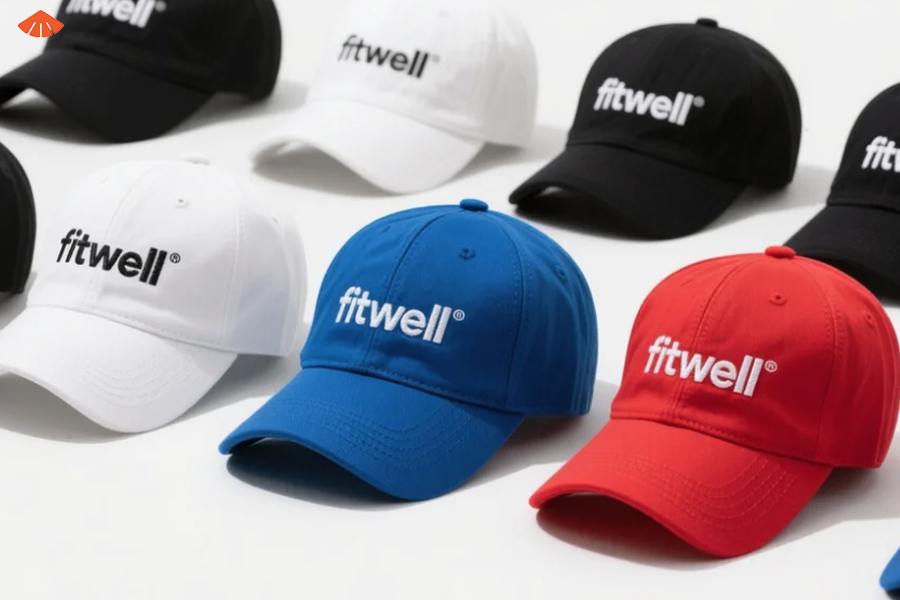
Step-by-Step Quality Control Process for Embroidered Cap Orders
Even with a great supplier, implementing a structured quality control (QC) process is the best way to catch defects before they leave the factory. For bulk orders of custom baseball capembroidered logo6 panel cotton hard front designs, a 5-step QC workflow can reduce defect rates to under 1%.
Pre-Production: Lock in Logo and Fabric Specifications
The majority of embroidery errors originate in the pre-production phase, when specifications are not clearly documented or approved. Follow these steps to set clear expectations before production starts:
Submit a high-resolution logo file: Provide a vector file (AI, EPS, or SVG) of your logo, not a low-resolution JPG or PNG. Blurry source files lead to distorted embroidered designs.
Approve a digital embroidery mockup: Review a digitized mockup that shows exact stitch count, thread colors, and logo placement on the cap. Confirm placement measurements (e.g., 3.5 inches wide, centered 0.5 inches above the brim) in writing.
Approve a physical pre-production sample: Order 1-3 physical samples of your
hard front baseball capwith the actual
embroidered logo. Test the logo for wash durability, color fastness, and alignment before signing off.
Document all specifications in writing: Create a detailed spec sheet that includes fabric type (e.g.,
100% cotton twill structured baseball cap), thread color codes, logo placement, stitch count, and quality standards. Share this with your supplier and require a signed acknowledgment.
Set defect tolerance limits: Clearly state your acceptable defect rate (e.g., max 1% of units with minor flaws, 0% with major logo misalignment) and the remediation process for excess defects.
For a campus apparel retail store ordering custom caps with a university logo, this pre-production process is critical. University branding guidelines are often very strict, and even a slight color mismatch can lead to the entire order being rejected by the school’s licensing department.
In-Production and Post-Production Inspection Checks
Once production begins, regular inspections catch issues early, before thousands of defective caps are produced. Implement these checkpoints for every bulk order:
First-article inspection: Review the first 10-20 units off the production line to confirm logo alignment, color, and stitch quality match the approved sample.
Mid-production audit: Inspect 5-10% of units halfway through production to ensure consistency and catch any machine calibration issues early.
Final random inspection: Use the AQL 2.5 standard to inspect a random sample of finished units before shipping. For a 100,000-unit order, this means inspecting 200 units to assess overall defect rates.
Packaging check: Verify that caps are packaged correctly to prevent crushing or damage during shipping, which can distort
embroidered logos on structured styles.
Post-delivery spot check: Inspect 1-2% of units immediately after delivery to confirm no damage occurred in transit and that the final product matches the approved sample.
For an online headwear retailer, these inspection steps directly impact customer satisfaction. A 2023 e-commerce study found that 68% of customers return custom apparel due to embroidery or print defects, which increases return processing costs and harms seller ratings.
How to Reduce Long-Term Costs While Maintaining Embroidery Quality
Cutting hidden defect costs does not mean sacrificing quality or raising prices. With strategic adjustments to your ordering process and product design, you can lower total costs while improving the consistency of your custom baseball capembroidered logo6 panel cotton hard front orders.
Design Adjustments That Lower Embroidery Error Risk
Simplifying your logo design or adjusting its placement can significantly reduce defect rates and production costs. Consider these design tweaks for your next order ofcustom embroidered hats:
Limit stitch count: Logos with 10,000+ stitches are more prone to distortion and misalignment than simpler designs with 3,000-7,000 stitches. Remove unnecessary fine details that will not be visible at a small size.
Choose appropriate logo size: For a
6 panel baseball cap, the ideal front logo size is 3-4 inches wide. Logos larger than 4.5 inches are more likely to warp on the curved front panel.
Opt for structured styles for complex logos: A
hard front baseball capprovides a stable, flat surface for embroidery, reducing distortion compared to softer unstructured styles. For intricate designs, structured caps are a better choice than
custom dad hatsembroidered logostyles.
Use fewer thread colors: Each additional thread color requires a machine changeover, which increases production time and the risk of color matching errors. Stick to 2-3 colors for most designs to improve consistency.
Avoid small text: Text smaller than 0.25 inches tall is difficult to embroider clearly and often results in blurry, unreadable lettering. Use bold, sans-serif fonts for any text in your logo.
These design adjustments not only reduce defects but also lower per-unit production costs. For example, reducing stitch count by 30% can cut embroidery costs by 15-20% while improving overall quality. For small business owners orderingcustom promotional embroidered cotton baseball capstyles for marketing campaigns, these savings can be reinvested in additional promotional inventory.
Strategic Sourcing Tips to Cut Total Cost of Ownership
The total cost of a custom cap order goes far beyond the per-unit price. By optimizing your sourcing strategy, you can reduce total costs while improving quality and reliability:
Consolidate orders with a single trusted supplier: Working with one reliable supplier instead of multiple vendors allows you to build a long-term relationship, negotiate better pricing, and ensure consistent quality across all your
personalized baseball capsorders.
Order in larger batch sizes: Per-unit costs drop significantly for larger orders, as setup costs are spread across more units. For example, ordering 10,000 units instead of 2,000 units can reduce per-unit costs by 25-30%.
Plan orders in advance: Rush orders incur premium pricing and increase the risk of defects as suppliers skip quality checks to meet tight deadlines. Plan your orders 4-6 weeks in advance to ensure standard production timelines and thorough QC.
Negotiate defect warranties: Reputable suppliers will offer a defect replacement guarantee for orders that pass their QC process. Negotiate a clear policy that covers replacement costs and shipping for defective units.
Explore eco-friendly material options: Many suppliers now offer organic cotton twill styles at competitive prices. These
100% cotton twill structured baseball capstyles often have more consistent fabric quality, reducing embroidery errors and appealing to eco-conscious customers.
For B2B buyers managing multiple product lines, these sourcing strategies can add up to hundreds of thousands of dollars in annual savings. A custom cap boutique that consolidates its orders with a single trusted supplier can also offer faster turnaround times to its own clients, creating a competitive advantage in the market.
Interested in custom cap solutions? Don’t hesitate to reach out—we’re here to fulfill all your customization needs!
Follow & Message Us:
Facebook:https://www.facebook.com/fitwell.li
Instagram: www.instagram.com/fitwellcustomhats.dds/
LinkedIn:http://www.linkedin.com/in/fitwellcustom-hats-38a2b9b0/
Pinterest: http://www.pinterest.com/FitwellCustomHatsdds/
YouTube: http://www.youtube.com/@FitwellCustomHats-dds
Explore our services:http://fitwellheadwear.en.alibaba.com
WhatsApp us now: https://psce.pw/86jwa3