

Cozy Thick Cable Knit Cuffed Faux Fur Pom Pom Beanie Hat: Judge Quality by Weight
When sourcing winter headwear for your business, it’s easy to confuse a premiumchunky knit beaniewith a flimsy knockoff—until you check the weight. Acozy thick cable knit cuffed faux fur pom pom beanie hatshould feel substantial in hand, not like a thin layer of yarn that tears after one wear.
Forapparel sourcing agents, small boutique owners, and startup founders, knowing how to verify hat quality by weight cuts down on return rates and keeps customers coming back. This guide breaks down exact weight benchmarks, quality red flags, and what to look for when placing bulk orders.
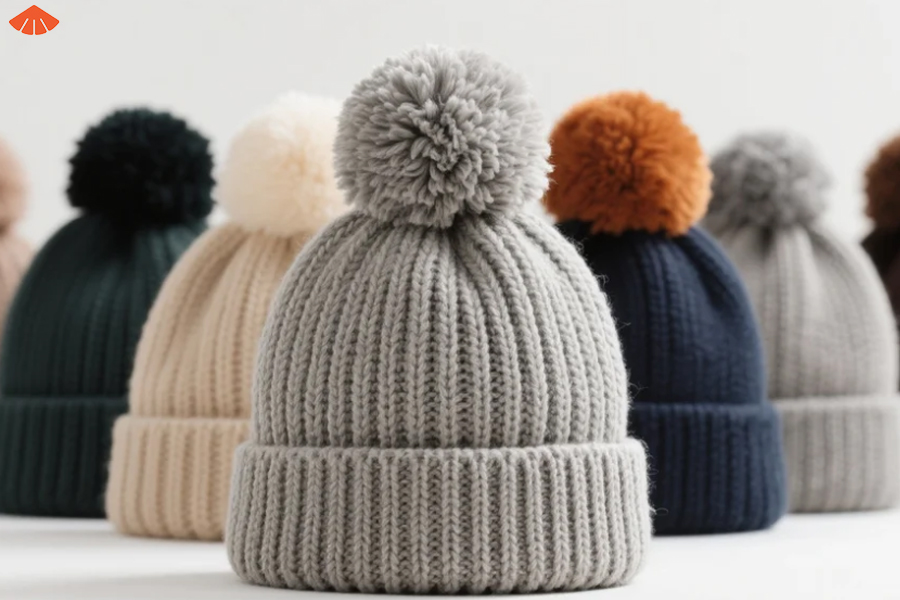
图片: Side-by-side comparison of a thick vs thin cable knit beanie on a scale
alt: Thick vs thincozy thick cable knit cuffed faux fur pom pom beanie hatweight comparison
Why Weight Matters for Winter Beanie Quality
Weight directly correlates with warmth, durability, and perceived value for cold-weather headwear. A heavyknit hat with pom pomfeels luxurious to customers, while a lightweight version often skimps on yarn density.
Standard Weight Ranges for Premium Beanies
A high-qualitythick winter beaniefor adults falls into a specific weight bracket that matches its insulation level:
Adult medium (
54-58cm): 120–150 grams for double-layer cable knit styles
With faux fur pom pom: add 20–30 grams for a full, fluffy pom
Children’s sizes: 80–100 grams for equivalent thickness
These numbers come from standardized textile testing, where yarn count and knit tightness are measured to ensure consistent warmth. A beanie below 100 grams for adult sizes will likely feel thin and fail to block wind in below-freezing temperatures.
Common Weight-Cutting Tricks Used by Low-Cost Suppliers
Unethical manufacturers often reduce weight to cut costs, hiding flaws behind decorative details:
Thinner yarn with loose knitting to “fluff up” the appearance
Hollow faux fur pom poms with minimal filling
Single-layer construction marketed as “breathable” instead of cheap
Smaller cuffs that use less yarn but still look cuffed in photos
For a children's clothing store, these shortcuts lead to parent complaints about hats not keeping kids warm on school walks. Always request sample weight specs before placing a bulk order to avoid these issues.
How to Test Beanie Weight and Thickness In-Person or Via Samples
You don’t need fancy lab equipment to check if acozy thick cable knit cuffed faux fur pom pom beanie hatis well-made. Simple at-home or in-office tests work for both sample evaluations and random quality checks.
Step-by-Step Weight and Density Test
Follow this quick process to assess anycable knit skull capsample in 2 minutes:
Weigh the beanie on a small kitchen or postal scale (accurate to 1 gram)
Fold the cuff down fully and stretch the hat gently to check for gaps in the knit
Squeeze the hat tightly for 10 seconds, then release—quality knits bounce back quickly
Compare the weight to the 120–150g benchmark for adult sizes
If the beanie feels light but looks thick, it’s likely made with low-density yarn that will pill or stretch out after a few wears. AFitted Skull Capdesign should hold its shape even after repeated stretching, which ties directly to yarn weight and knit tightness.
Visual Cues That Match Weight Quality
Weight alone isn’t enough—pair it with these visual checks for a full quality assessment:
Tight, uniform cable knit patterns with no loose threads
A thick, folded cuff that stays in place without slouching
A full faux fur pom pom that doesn’t look flat or matted
Clean stitching where the pom pom attaches to the hat crown
Premium styles often include anEmbossed PU Leather Patchwith a brand logo, which adds a small amount of weight and signals attention to detail. For aski resort retail shop, these small details justify higher price points for customers shopping for cold-weather gear.
Weight Differences Across Popular Beanie Styles
Not all winter beanies are designed the same, and weight varies by style, size, and intended use. Understanding these differences helps you pick the right products for your target customer base.
Men’s vs. Women’s Beanie Weight Comparisons
While unisex styles are common, there are subtle weight differences between gender-specific designs:
Unisex
chunky knit beanie: 130–150g, standard adult size
women's cozy thick cable knit pom pom winter hat: 125–140g, often with a slightly slouchier fit
Men’s fitted beanie: 135–155g, heavier for extra wind protection
Forapparel sourcing agents working with fashion boutiques, offering both fitted and slouchy styles in the right weight ranges caters to different customer preferences. Always confirm size ranges (like54-58cmfor medium) to ensure consistent fit across bulk orders.
Weight Expectations for Kids’ and Specialty Beanies
Specialty use cases require different weight standards to meet customer needs:
Kids’
thick winter beanie: 80–110g, lighter but still dense for active play
Ski-specific beanies: 140–160g, with extra insulation for high-altitude cold
Fashion-focused beanies: 110–125g, lighter but with decorative details
A children's clothing store should stock mid-weight kids’ beanies that balance warmth and comfort, so kids don’t complain about heavy, itchy hats. Forski resort retail shops, heavier, wind-resistant styles are a must for customers hitting the slopes.
Sourcing Tips for B2B Buyers: Avoid Weight-Related Quality Issues
For B2B buyers, startup founders, and retail owners, verifying weight upfront prevents costly returns and damaged brand reputation. Use these actionable tips when working with suppliers.
Key Questions to Ask Suppliers About Beanie Weight
Before placing a bulk order, get clear answers to these questions:
What is the exact weight per size for this style?
What yarn count and material blend is used (e.g., 100% acrylic vs. wool blend)?
Can you provide a weight tolerance range (±5g is acceptable)?
Do you offer third-party quality inspection for weight and durability?
Suppliers that can’t provide exact weight specs are likely cutting corners, so move on to more transparent partners. For aknit hat with pom pom, also ask about the pom pom’s fill weight to ensure it’s full and not flat.
How to Build a Quality-Focused Winter Hat Product Line
Curate a line that balances quality, price, and customer demand with these steps:
Start with 2–3 core weight categories (light fashion, mid-weight daily, heavy cold-weather)
Test samples for weight, stretch, and wash durability before ordering in bulk
Highlight weight and warmth specs in product listings to justify pricing
Collect customer feedback on warmth to adjust future inventory
For freelancers and consultants advising retail brands, recommending weight-based product tiering helps clients stand out from competitors who only focus on design. A well-curated line ofcozy thick cable knit cuffed faux fur pom pom beanie hatstyles will drive repeat sales and positive reviews.
Interested in custom cap solutions? Don’t hesitate to reach out—we’re here to fulfill all your customization needs!
Follow & Message Us:
Facebook:https://www.facebook.com/fitwell.li
Instagram: www.instagram.com/fitwellcustomhats.dds/
LinkedIn:http://www.linkedin.com/in/fitwellcustom-hats-38a2b9b0/
Pinterest: http://www.pinterest.com/FitwellCustomHatsdds/
YouTube: http://www.youtube.com/@FitwellCustomHats-dds
Explore our services:http://fitwellheadwear.en.alibaba.com
WhatsApp us now: https://psce.pw/86jwa3